- Service animals and emotional support animals are not pets under federal law, which means standard pet fees, breed restrictions, and no-pet policies do not apply.
- Pensacola landlords must follow both the FHA and ADA, understanding when accommodation is required and what documentation can legally be requested.
- Landlords retain important protections, including enforcing behavior standards and charging tenants for actual property damage caused by assistance animals.
- Clear policies and consistent procedures reduce legal risk, helping landlords handle service animal and ESA requests professionally and compliantly.
For many rental owners, setting a pet policy is straightforward, until a tenant requests an exception for a service animal or emotional support animal. Suddenly, definitions, documentation rules, and fee limitations become less clear.
These situations can feel complicated when you’re trying to protect your property while respecting a tenant’s legal rights. Understanding service animal laws is essential for staying compliant and avoiding costly errors.
This guide by NFI Property Management Solutions will help you navigate these requests with confidence.
Learn how we can help you maximize your home’s potential.
Why Service Animal Requests Are Different From Regular Pet Inquiries
A key point every landlord must understand is this: service animals and emotional support animals (ESAs) are not considered pets under federal housing laws.
This distinction changes everything:
- Standard pet fees and deposits cannot be charged
- Breed and weight limits do not apply
- “No-pet” policies must be waived if the tenant qualifies
These rules exist because assistance animals serve a medical purpose. Their role isn’t companionship, it’s support necessary for the tenant’s health and daily functioning.
Federal Laws Every Pensacola Landlord Should Know
Two main laws govern how landlords must handle service animal and ESA requests:
1. Fair Housing Act (FHA)
Applies to both service animals and emotional support animals. The FHA requires landlords to offer “reasonable accommodation” when a tenant has:
- A disability
- A legitimate need for an assistance animal
Most rental properties in the Pensacola metro, except owner-occupied buildings with four units or fewer, fall under this law.

2. Americans with Disabilities Act (ADA)
More restrictive, applying mainly to public spaces. Under the ADA, a service animal is:
- A dog or miniature horse
- Individually trained to perform tasks for someone with a disability
The ADA does not regulate ESAs, but the FHA does, so landlords must understand both frameworks.
What Counts as a Disability-Related Need?
A tenant qualifies for accommodation if they have a physical or mental impairment that substantially limits a major life activity. Examples include:
- Mobility limitations
- Visual impairments
- PTSD
- Anxiety disorders
- Autism spectrum disorders
- Chronic illnesses
The animal’s presence must assist with symptoms or functioning, not simply provide companionship (unless qualifying as an ESA).
Service Animals vs. ESAs: What’s the Difference?
Landlords often lump these together, but the law treats them differently.
Service Animals Are:
- Trained to complete tasks like guiding, alerting, pulling, preventing self-harm, etc.
- Covered by ADA and FHA
- Allowed in any housing, regardless of pet policy
You may ask only two questions to determine whether an animal is a service animal:
- Is the animal required because of a disability?
- What task has the animal been trained to perform?
Emotional Support Animals (Companion Animals):
- Provide comfort, emotional stabilization, or therapeutic support
- Are not task trained
- Are protected under FHA
- Require documentation from a licensed healthcare provider
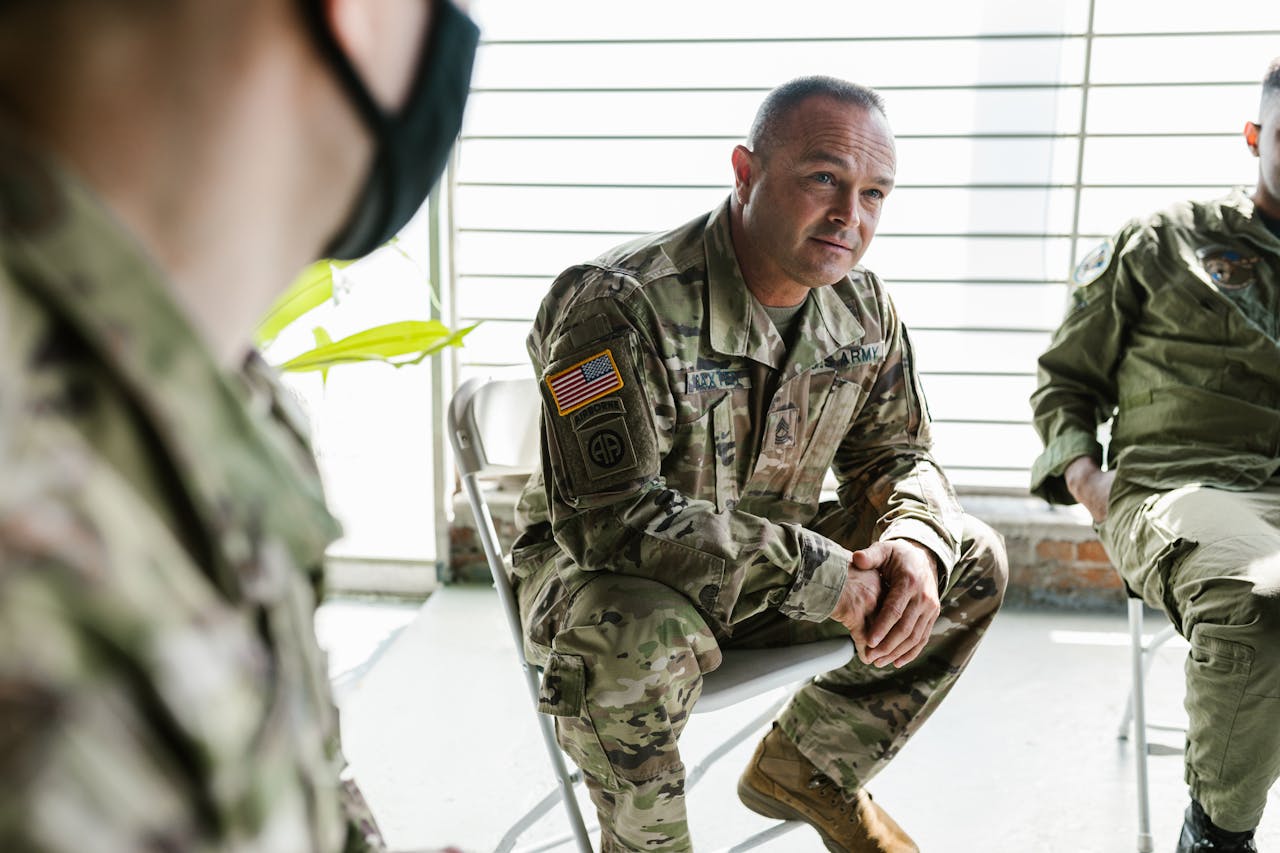
ESAs are common in Pensacola’s high-stress military community. Service members coping with PTSD, anxiety, or reintegration challenges frequently request them.
What Documentation Can a Pensacola Landlord Request?
You can request:
- Written verification from a licensed professional (medical provider, psychologist, therapist)
- Confirmation that the tenant has a disability
- Confirmation that the animal aids with that disability
- Updated vaccination records
You cannot request:
- Specific medical diagnoses
- Detailed medical history
- Proof of specialized training for ESAs
The goal is to validate the need, not invade the tenant’s privacy.
Learn how we can help you maximize your home’s potential.
When a Landlord Must Accommodate an Assistance Animal
You are required to approve the request unless:
- The tenant cannot demonstrate a legitimate disability-related need
- The request would impose an “undue financial or administrative burden”
- The animal poses a direct threat to others
- Housing would fundamentally change its operations
In practice, most Pensacola-area landlords approve assistance animals once proper verification is provided.
What You Still Retain Control Over as a Landlord
Accommodating an assistance animal doesn’t mean you lose all authority. You may still:
1. Require the Animal to Behave Properly
If the animal is aggressive, disruptive, or repeatedly violates community rules:
- You may issue warnings
- You may ultimately pursue eviction if issues continue
Assistance animals must be under control, leashed when appropriate, supervised, and not disturbing neighbors.
2. Charge for Actual Damage
No pet fees or pet rent for service animals. What happens if the animal chews trim, ruins carpet, or damages landscaping? You may deduct legitimate damages and repairs from the security deposit or bill the tenant directly.
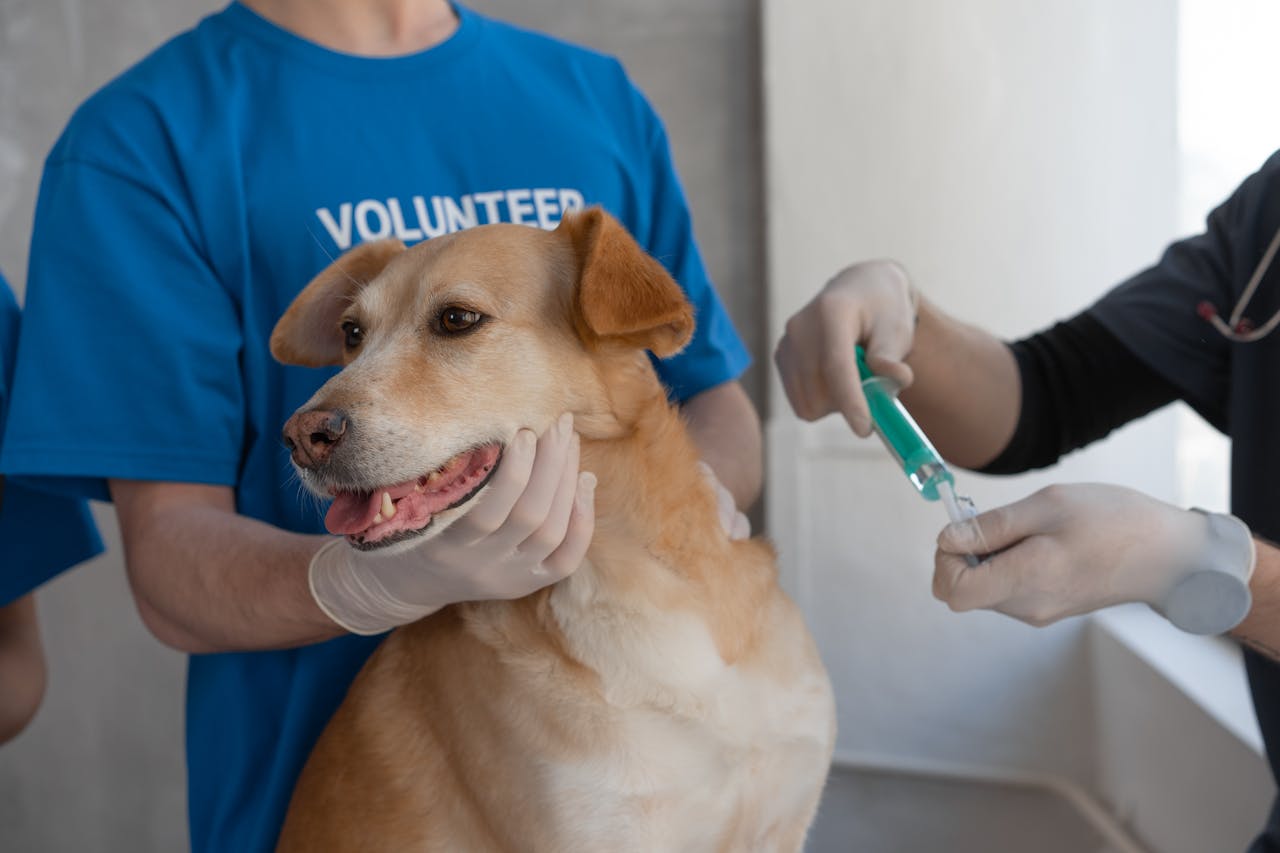
3. Request Health and Vaccination Records
This protects your property and other residents.
Where Landlords Sometimes Get Into Trouble
Missteps usually happen when landlords:
- Reject assistance animals due to breed restrictions
- Charge pet deposits for service animals
- Ask for unnecessary medical information
- Fail to respond promptly to accommodation requests
- Use outdated or generic pet policies
Creating a Smooth, Legally Sound Process
To make service animal requests manageable:
- Develop a clear written accommodation procedure
- Train leasing staff to identify legitimate requests
- Use standardized verification forms
- Document all communication
- Keep personal and medical details confidential
- Review policies annually with a legal or property management professional
This protects you from penalties and helps tenants feel supported, both legally and practically.
Final Thoughts
Service animals and ESAs play an essential role in maintaining the health and stability of tenants with disabilities. As a landlord in the Greater Pensacola area, understanding the laws surrounding these animals isn’t just about compliance, it’s about providing fair housing, reducing legal risk, and managing your property with professionalism.
When you understand the distinctions, follow federal guidance, and apply consistent processes, service animal requests become straightforward rather than stressful.
Navigating assistance animal laws can be challenging, but you don’t have to manage it alone. At NFI Property Management Solutions, we help Pensacola landlords process service animal and ESA requests correctly, stay compliant with FHA and ADA rules, protect properties from misuse or damage, keep documentation and communication properly organized, and verify reasonable accommodation requests with proper procedures
If you want peace of mind and a team that safeguards both your rentals and your legal interests, we’re here to help.Contact NFI Property Management Solutions today!