- Key Takeaways
- When a Small Repair Becomes a Big Frustration
- “My Neighbor is Too Loud”
- Pests Require a Search for the Source
- Temperature Complaints May Point to a Larger Issue
- Parking Problems Need Rules that Can Actually Be Enforced
- Pet Complaints Are Usually About Behavior
- “Nobody Told Me About That Charge”
- Access and Privacy Complaints Often Begin with Miscommunication
- Build a Complaint System Before You Need One
- Bottom Line
- Frequently Asked Questions About Top Tenant Complaints and How to Solve Them
Key Takeaways
- Respond to maintenance complaints promptly, even when a repair cannot be completed immediately, so owners can identify urgent issues and keep residents informed.
- Investigate recurring complaints for underlying property problems instead of treating every report as an isolated incident.
- Put clear rules for parking, pets, access, charges, and noise in the lease and apply those requirements consistently when issues arise.
- Keep organized records of complaints, communications, inspections, repairs, and follow-up so you can identify patterns and demonstrate how concerns were handled.
- A professional property management partner can help Pensacola-area owners coordinate maintenance, tenant communication, lease enforcement, and other day-to-day responsibilities.
A complaint is not always evidence that something has gone seriously wrong at a rental property. Sometimes a tenant simply needs information. Other times, a seemingly minor concern is the first warning of a maintenance problem that could become expensive.
For landlords, the challenge is deciding what requires immediate action, what needs investigation, and what falls outside the owner's control. A reliable response system makes those distinctions easier while giving residents a clear way to report legitimate concerns.
Here are some of the issues rental owners are likely to encounter and practical ways to handle them alongside NFI Property Management Solutions.
Learn how we can help you maximize your home’s potential.
When a Small Repair Becomes a Big Frustration
Tenants often become frustrated not because something broke, but because they don’t know whether anyone is fixing it.
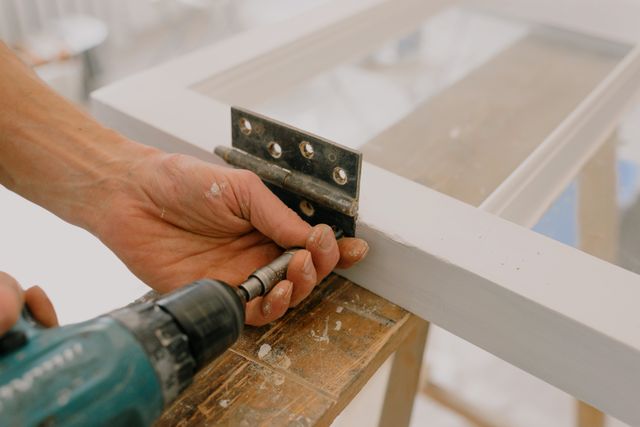
Suppose a renter reports that the refrigerator is no longer cooling properly. You contact an appliance technician, but the earliest appointment is three days away. Without an update, the tenant may assume the request was forgotten.
Acknowledge maintenance reports promptly, determine their urgency, and explain what happens next. When repairs are delayed, keep the resident informed.
Prioritize conditions involving safety, habitability, or potential property damage according to applicable requirements.
“My Neighbor is Too Loud”
Noise complaints become complicated because landlords cannot control every sound surrounding a rental.
First determine where the noise originates. Another tenant in the same building creates a different management issue from traffic, nearby construction, or activity on property the landlord does not control.
Ask for useful details rather than immediately taking sides. When does the disturbance occur? How frequently? What type of noise is involved?
If another resident appears to be violating the lease or property rules, follow the appropriate process for investigating and addressing the issue.
Pests Require a Search for the Source
A report of insects or rodents should trigger more than a quick spray around the affected area.
Determine what pest is involved, how widespread the problem may be, and whether professional treatment is necessary. In a multifamily building, activity reported in one unit may warrant checking nearby areas because pests do not respect apartment boundaries.

Residents may also have responsibilities related to sanitation or preparing the property for pest treatment. Give clear instructions when cabinets need to be emptied, food secured, pets relocated temporarily, or access provided.
Document inspections, treatment, and follow-up rather than assuming one visit solved the problem.
Temperature Complaints May Point to a Larger Issue
Heating and cooling concerns deserve their own category because they can involve comfort, equipment performance, energy use, and habitability requirements.
A tenant saying, “The house never gets cool,” does not automatically tell you what has failed. The problem could involve the HVAC system, thermostat, clogged filter, insulation, or another condition.
Start with appropriate troubleshooting and professional assessment when necessary rather than guessing from the complaint.
Seasonal preventive maintenance can reduce these calls. Servicing equipment and identifying aging components before extreme weather arrives may prevent both tenant disruption and emergency repair costs.
Parking Problems Need Rules that Can Actually Be Enforced
Parking disputes can become surprisingly persistent, especially at multifamily properties or rentals with limited spaces.
A resident may complain that someone repeatedly occupies an assigned spot, visitors block access, or another tenant stores an inoperable vehicle on the property.
Identify assigned spaces, guest parking arrangements, prohibited areas, and relevant vehicle restrictions before move-in.
When a complaint arrives, verify the situation before acting. Apply established policies consistently and follow applicable rules before towing or taking other enforcement measures.
Check out our property management services.
Pet Complaints Are Usually About Behavior
A tenant may be perfectly entitled to keep an approved animal while still creating problems through how that animal is managed.

Common complaints include persistent barking, waste left in shared areas, odors, damage, or animals being allowed into prohibited spaces.
Focus on the specific behavior rather than simply labeling the pet a problem. If the lease requires residents to clean up after animals or prevent excessive disturbances, address the documented violation under those terms.
“Nobody Told Me About That Charge”
Not every tenant complaint involves the physical property.
Billing disagreements can arise over utilities, late charges, maintenance costs, deposits, or other amounts a resident believes were unexpected.
Before responding, review the lease and your records. Explain what the charge represents and where the applicable obligation appears rather than turning the discussion into an argument.
Significant required charges and financial responsibilities should be explained before lease signing whenever possible.
Access and Privacy Complaints Often Begin with Miscommunication
Even legitimate property visits can create tension when residents feel caught off guard.
Repairs, inspections, and other necessary access should be coordinated according to the lease and applicable notice requirements in Florida.
For example, telling a tenant that a contractor will arrive “sometime this week” leaves considerable uncertainty. A reasonable appointment window, when available, makes it easier for the resident to plan.
Build a Complaint System Before You Need One
The worst time to decide how maintenance requests should be submitted is during an emergency.
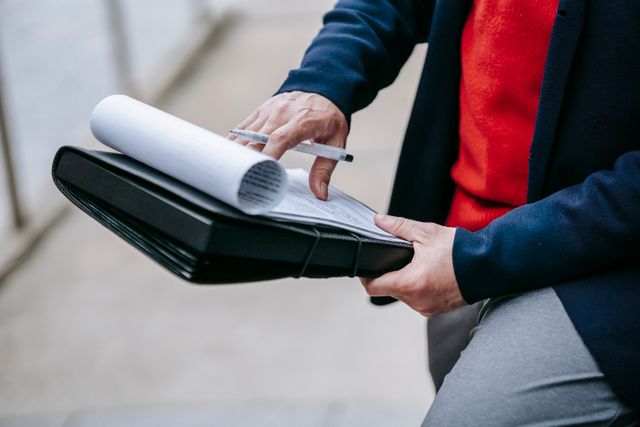
Give tenants a defined method for routine concerns and clear instructions for urgent situations. Keep records of reports, responses, contractor visits, notices, and completed work where appropriate.
If a plumber repaired a recurring leak, confirm that the problem has stopped. If a noise complaint required intervention, determine whether the issue continues.
Patterns matter as well. Three separate complaints about drainage in six months may point to a larger plumbing issue rather than three unrelated repairs.
Bottom Line
Tenant complaints are part of operating rental housing, but disorganization does not have to be. A clear reporting process, timely investigation, documented responses, and consistent enforcement can keep ordinary concerns from becoming larger disputes.
Partner with an experienced property management team to coordinate maintenance, manage tenant communication, document concerns, enforce lease requirements, and keep everyday issues moving toward resolution. Protect your investment while giving residents a professional point of contact when problems arise.
Contact NFI Property Management Solutions today to simplify rental management and provide a more responsive experience for your tenants.
Speak with our experts.
Frequently Asked Questions About Top Tenant Complaints and How to Solve Them
How Should Landlords Prioritize Different Tenant Complaints?
Start by separating emergencies and potential habitability or property-damage issues from routine maintenance and general concerns. A report involving an active water leak, loss of an essential system, or a possible safety issue may require faster attention than a cosmetic repair. Owners should also consider whether delaying the response could make the problem more expensive.
What Should A Landlord Do When The Same Complaint Keeps Coming Back?
Recurring complaints deserve a closer look because they may indicate an underlying property issue rather than separate, unrelated problems. For example, repeated reports of drainage problems, HVAC performance, pests, or water intrusion may justify a broader inspection or evaluation by an appropriate professional.
Keep a record of the original complaint, actions taken, vendor findings, and whether the issue was resolved. Reviewing this history can help owners recognize patterns, make better maintenance decisions, and determine whether replacing or upgrading a component may make more sense than repeatedly addressing symptoms.
How Can Landlords Reduce Complaints About Property Access?
Set expectations about property access before problems arise by explaining how repair appointments, inspections, contractor visits, and other necessary entries will be coordinated.
In Florida, landlords generally have specific rights to access rental dwellings for purposes such as inspections and repairs, while state law also establishes notice and timing requirements for certain entries.
What Should A Landlord Do About A Pest Complaint?
Treat a pest complaint as an issue to investigate rather than automatically assuming a single treatment will solve it. Identify the type of pest, determine whether activity appears isolated or more widespread, and arrange appropriate professional evaluation or treatment when necessary.
How Can Landlords Handle Noise, Parking, And Pet Complaints Consistently?
Begin with the lease, community rules, and documented facts rather than making assumptions about the people involved. For a noise complaint, identify when and how often the disturbance occurs; for parking, verify the applicable space assignments or restrictions; and for pet-related concerns, focus on documented behavior such as property damage, waste, or disturbances.
Apply the same established procedures consistently and preserve relevant records. This approach helps owners distinguish between a legitimate lease or property-rule issue and a complaint involving circumstances outside the landlord's control.