- Understand Florida Landlord-Tenant Law
- Secure Landlord Insurance
- Price Your Rental Correctly
- Inspect and Prepare the Property
- Establish Consistent Screening Criteria
- Prepare The Lease And Move-In Documents
- Plan For Ongoing Inspections
- Organize Financial And Tax Records
- Decide Whether To Self-Manage Or Hire A Property Manager
- Conclusion
- Frequently Asked Questions
- Compare your property's expected income with its full ownership costs before committing to a rental strategy.
- Review any HOA, deed, or community restrictions that could affect how you operate the property.
- Build financial reserves for unexpected expenses and larger capital needs that may arise during ownership.
- Decide how much day-to-day involvement you want before choosing between self-management and professional management.
- Keep property, financial, and ownership records organized so important information is easy to access when needed.
Renting out your Pensacola home for the first time brings both opportunity and responsibility. Whether you purchased the property as an investment, inherited it, relocated, or cannot sell it, preparation matters. Legal mistakes, inaccurate pricing, inadequate inspections, and weak lease documentation can lead to disputes, unexpected expenses, or vacancies.
This checklist by NFI Property Management Solutions covers the essentials, including Florida landlord-tenant requirements, insurance, rental pricing, property preparation, tenant screening, lease documents, inspections, finances, and property management.
Learn how we can help you maximize your home’s potential.
Step 1: Understand Florida Landlord-Tenant Law
Florida Chapter 83 establishes the basic landlord-tenant requirements, while local rules, deed restrictions, and HOA requirements may also apply.
For nonpayment of rent, Florida generally requires written notice giving the tenant three days to pay or vacate before an eviction action can proceed. Certain lease violations may require a seven-day notice to cure. Requirements can vary by circumstance, so consult current Florida law or a qualified attorney before taking action.

Security deposits are also regulated, including requirements concerning where deposits are held, notices, and their return after move-out. Do not rely on a generic lease or outdated information. Your written lease should clearly address rent, due dates, late fees, utilities, pets, maintenance responsibilities, lease violations, move-out procedures, and other important terms.
If you plan to operate a short-term rental, verify applicable state licensing requirements as well as local Pensacola regulations and HOA or deed restrictions. These rules may differ from those governing traditional long-term rentals.
Step 2: Secure Landlord Insurance
A standard homeowners policy may not provide appropriate coverage for a rental property. Before leasing the home, speak with an insurance professional about a landlord or rental-property policy.
Coverage can vary, but landlord policies may address the structure, liability, and loss of rental income. Ask about coverage limits, exclusions, deductibles, and risks specific to the Pensacola area, including storm and wind exposure.
If the property has a mortgage , check your lender's insurance requirements as well. Compare coverage carefully rather than choosing a policy based solely on premium.
Step 3: Price Your Rental Correctly
Setting up a profitable rental rate requires more than looking at a single listing or relying on what you need to cover your mortgage.
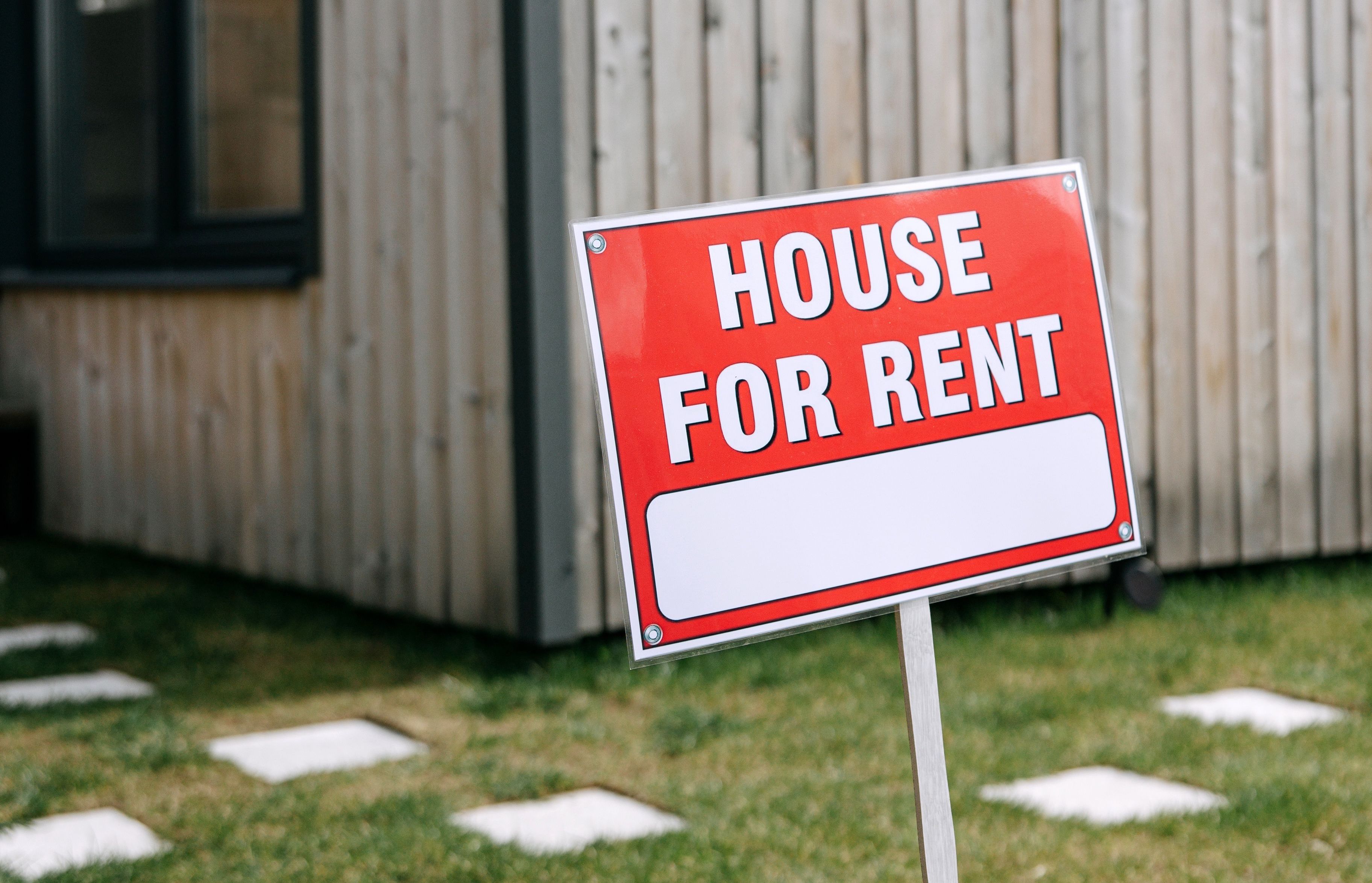
Research comparable rentals in the property's immediate area and compare size, condition, age, amenities, parking, yard space, and other relevant features. Also consider whether utilities or other services are included and how competing properties are being marketed.
Pensacola's rental market varies by neighborhood, so a property in East Hill may have different pricing considerations than one in Perdido Key, Navarre, or another nearby area. A professional rental analysis can provide another perspective by comparing your property with current market conditions and similar rentals.
Step 4: Inspect and Prepare the Property
Complete a detailed inspection before a tenant moves in. Photograph or video each room, appliance, fixture, floor, wall, ceiling, and exterior area, and document existing damage or defects. Create a written condition report and retain it with your records. Having a clear baseline makes it easier to distinguish pre-existing conditions from damage identified later.
Before move-in, address safety concerns, code issues, deferred maintenance , and nonfunctioning systems or appliances. The property should be clean, safe, functional, and ready for occupancy.
Learn more about our expert services.
Step 5: Establish Consistent Screening Criteria
Create written tenant screening criteria before reviewing applications, and apply those criteria consistently.
Criteria may address factors such as income, credit, rental history, and other lawful considerations. Avoid making decisions based on protected characteristics or changing standards from one applicant to another.

Document your criteria and retain appropriate application and screening records. If an application is denied, follow applicable notice requirements. Because screening practices can create legal risk, consider having your criteria reviewed by a qualified professional before using them.
Step 6: Prepare The Lease And Move-In Documents
Use a Florida-specific lease rather than a generic national template. Consider having an attorney review the document to ensure it addresses the property's circumstances and current requirements.
Your lease should clearly establish:
- Rent, due dates, and applicable fees.
- Security deposit terms.
- Utility responsibilities.
- Pet requirements.
- Maintenance responsibilities.
- Property and community rules.
- Move-out procedures.
- Lease term and renewal provisions.
- Required notices.
- Signatures and dates.
Provide the necessary move-in documents and retain signed copies for your records.
Step 7: Plan For Ongoing Inspections
Inspections help owners monitor property condition and identify maintenance concerns before they become larger problems.
Establish a consistent inspection process that complies with the lease and applicable law. Document the property's condition with written notes and photographs when appropriate. At move-out, compare the property's condition with the original inspection documentation and record any changes. Keep inspection reports and photographs with your property records.
Step 8: Organize Financial And Tax Records
Keep rental income and expenses organized from the beginning. Consider maintaining a separate account for rental activity and retain documentation for rent payments, repairs, insurance, property taxes, utilities, management fees, and other expenses.

Rental income and expenses have federal tax implications, while Florida does not impose an individual state income tax. Tax treatment can vary based on your circumstances.
Depreciation may also apply to the building portion of an investment property. Work with a qualified tax professional to determine applicable deductions, depreciation, reporting requirements, and recordkeeping practices.
Step 9: Decide Whether To Self-Manage Or Hire A Property Manager
Self-management requires owners to handle leasing, rent collection, maintenance coordination, tenant communication, financial records, and other ongoing responsibilities. It may work well for owners who live nearby, have sufficient time, and are comfortable handling these tasks.
Professional management can shift many day-to-day responsibilities to a management company. When comparing providers, review their services, fees, agreement terms, communication process, and experience with properties like yours.
NFI Property Management Solutions serves rental owners in Escambia, Santa Rosa, and Okaloosa Counties. Owners considering professional management can evaluate whether its services fit their property and investment goals.
Conclusion
NFI Property Management Solutions can tell you, preparing a Pensacola home for rental requires more than finding a tenant and collecting rent.
Establishing legal compliance, appropriate insurance, accurate pricing, thorough property documentation, consistent screening procedures, a solid lease, organized records, and an ongoing management plan can help reduce avoidable problems.
Whether you self-manage or hire a professional, completing these steps before move-in creates a stronger foundation for operating your rental property.
We can answer your property management questions.
Frequently Asked Questions About First-Time Landlord Checklists
Is Becoming A Landlord Worth It For A Home I Already Own?
It can be, depending on the property's rental potential, ongoing expenses, and your investment goals. Compare expected rental income with mortgage payments, insurance, taxes, maintenance, and other ownership costs before deciding.
How Much Cash Should A First-Time Landlord Keep In Reserve?
Keep enough accessible funds to handle unexpected repairs, vacancies, and larger property expenses. The right amount depends on the property's age, condition, financing, and overall financial situation.
What Should I Know About HOA Rules Before Renting Out My Home?
Review the HOA's governing documents before advertising the property. Some communities may have rental restrictions, approval requirements, occupancy rules, or limits on lease terms that can affect your plans.
Should I Keep My Rental Property And Personal Finances Separate?
Yes. A separate account and organized records can make it easier to track rental income and expenses, monitor cash flow, and prepare information for tax reporting.
What Questions Should I Ask Before Hiring A Property Manager?
Ask about the services provided, management fees, contract terms, communication, maintenance coordination, and how owner concerns are handled. Make sure the arrangement fits your preferred level of involvement.
How Can A First-Time Landlord Tell If A Property Manager Is A Good Fit?
Look for clear communication, transparent terms, relevant local experience, and services that match your needs. A good fit should also align with your expectations for involvement and property oversight.
When Should A Landlord Consult A Professional?
Consider professional advice when you have questions about legal requirements, insurance, taxes, financing, or complex property issues. Getting guidance early can help you avoid costly mistakes.